
SI Joint & Pelvic Pain Treatment in Cork
Pain at the back of your pelvis when you stand, walk or run? Very often, the cause is at the front.
SI joint pain is felt low down at the back of the pelvis, often on one side, where your sacrum (the base of your spine) meets your pelvis. It typically flares with standing, walking, running or getting in and out of the car. At Oak Osteopathy in Cork, and online, I help people find out what’s really driving it and rebuild so it settles for good.
⭐ Rated 5.0 from 200+ Google reviews · 📍 Ballintemple, Cork · 💻 Online worldwide
⭐⭐⭐⭐⭐
I have stenosis of the spine, facet joint arthritis and hip impingement… Over the weeks the pain gradually reduced… My hip impingement has virtually disappeared. Happy days. I don’t require pain killers daily anymore. My walking is good and I can enjoy it again.
What I see again and again: a tight front line
With this kind of pelvic and SI joint pain, especially pain when standing and walking, what I find most often is a tight front line: quads, hip flexors, abdominals and even the diaphragm.
When the front of the hips and thighs gets very tight, it pulls the pelvis and lower back into a more arched, compressed position. That can put extra pressure on the SI joints and on the small joints at the back of the spine. Over time, that kind of compression is often part of the picture in spinal stenosis and arthritic changes too.
I see this a lot in:
- Runners and walkers
- Field sport athletes (GAA, rugby, soccer)
- Older adults who’ve gradually stiffened up
- People who sit a lot, then stand or walk for long periods
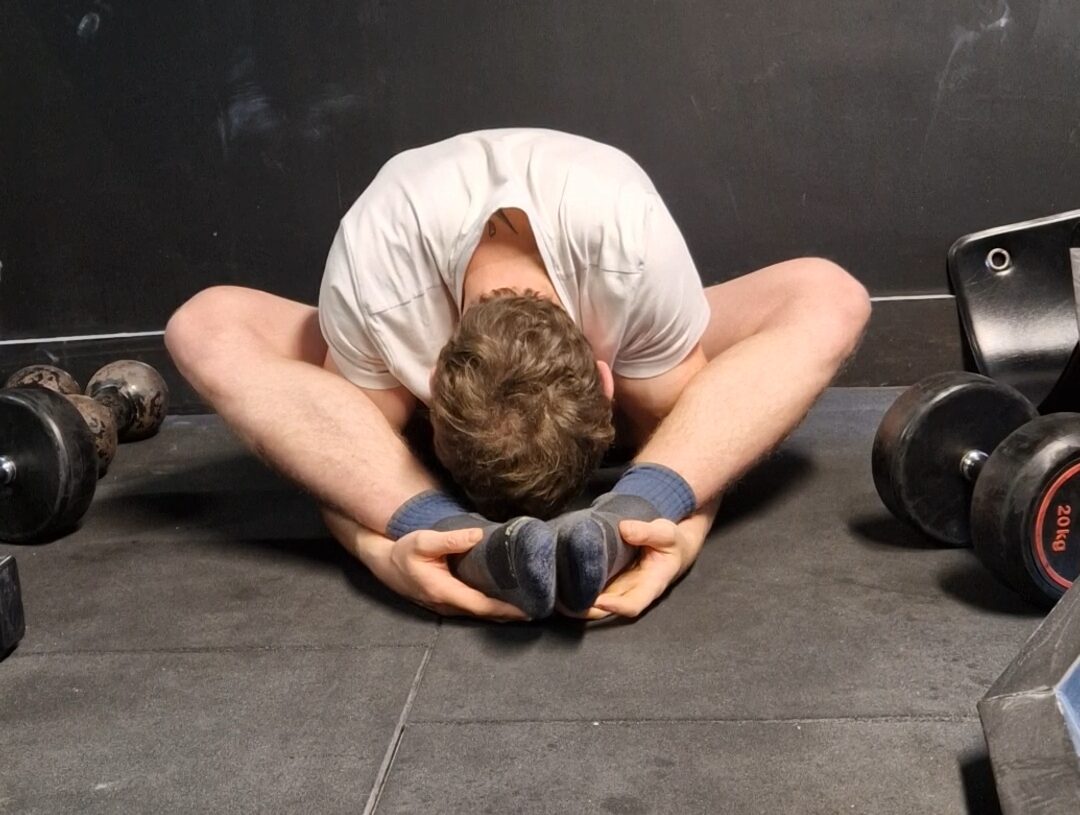
How I work with SI joint pain
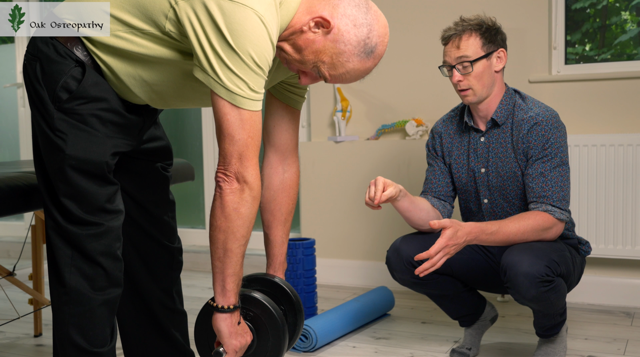
01. Find what’s really driving it
We look at how your hips, pelvis and spine move, front and back, not just where it hurts.
02. Open up the front line
We progressively lengthen and strengthen the quads, hip flexors and front of the body, so they stop pulling you into compression.
03. Rebuild the main movements
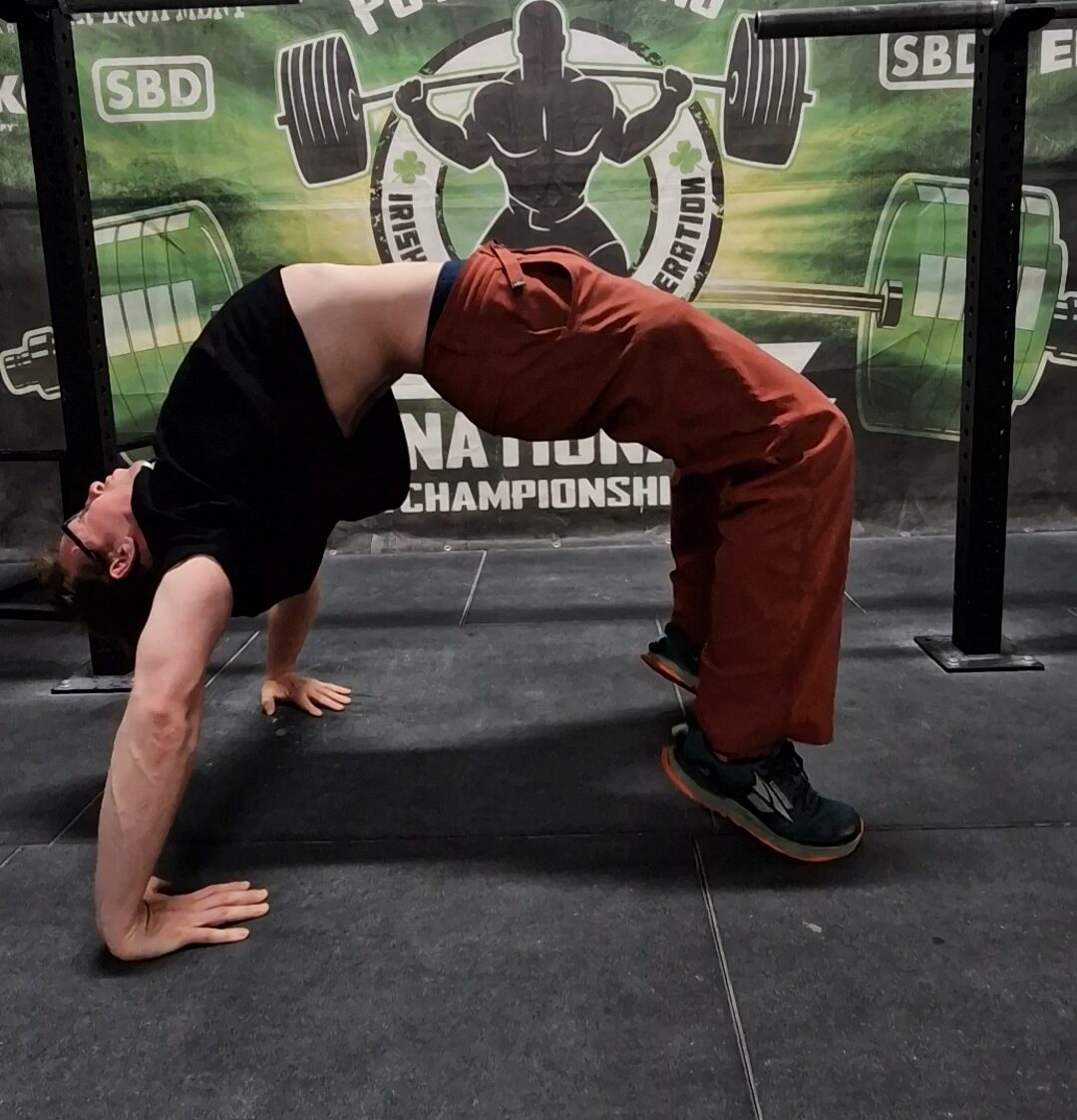
Forward bending, arching back, side bending and rotation through the spine and hips, built from gentle to strong.
04. Build strength to keep it that way
Strong glutes, hips and trunk mean your pelvis can handle running, walking and standing without grinding into pain.
From the beginner to the elite
Whether you’re 75 and stiff as a board, a weekend runner or a professional athlete, the principle is the same. Every body needs to be able to move the spine and hips in all directions. We start from a level that’s safe for you and build towards strong. As your mechanics improve, the symptoms usually ease with them.
What the research says
- Exercise is the core of treatment. a Cochrane review of 249 trials found exercise reduces chronic back pain, and it probably works better than passive treatment alone.
- Flexibility work earns its place. In a large comparison of exercise types, flexibility exercise was among the best performers (Hayden et al., 2021).
- Scans showing “wear and tear” are normal. Disc degeneration shows up in 96% of pain-free 80-year-olds (Brinjikji et al., 2015). Arthritis on a scan doesn’t decide how you’ll feel.
- Confidence in movement matters. the RESTORE trial in The Lancet showed that helping people move normally again leads to large, lasting improvements.
The honest bit: the link between a tight front line and SI joint pain comes from what I see in clinic, not from a trial. It’s why every programme starts with a proper assessment of how you move.

What happens at your first appointment?
Your first session is a full 60 minutes, in the clinic in Ballintemple or online over Zoom. We talk through your history, assess how your back moves through bending, extending, side bending and rotation, and start rebuilding straight away. You leave knowing what’s going on, what to do next, and with exercises that suit where your back is right now.
60-minute Initial Consultation: €140
Not in Cork? I work with people all over Ireland and around the world through one-to-one online coaching. Same assessment, same approach, same results. Many of my 200+ five-star reviews are from online clients.
SI joint pain FAQs
Is my SI joint “out of place”?
Almost never. SI joints move only a tiny amount. Pain usually comes from how the joint is being loaded, which is why rebuilding how you move works better than trying to “put it back”.
Should I stop running?
Usually not completely. We might reduce your running for a while and build it back up as things settle.
Can you help with stenosis or arthritis?
Many people with these diagnoses improve a lot with the right movement and strength work, like Olive above. If your assessment suggests you need a specialist opinion, I’ll tell you.
Ready to walk, run and stand without pelvic pain?
Start with a 60-minute Initial Consultation: €140
⭐ 200+ five-star Google reviews · 📍 Ballintemple, Cork · 🌍 Online worldwide