
Piriformis Syndrome & Buttock Pain Treatment in Cork
Deep ache in your buttock, maybe running down the back of your leg? It might be your piriformis, or it might be your back. Finding out which is the first step.
The piriformis is a small muscle deep in the buttock that rotates and stabilises the hip. The sciatic nerve runs right beside it, so when the area is irritated it can feel a lot like sciatica: buttock pain, tightness, and sometimes pain or tingling down the leg, often worse when sitting.
At Oak Osteopathy in Ballintemple, Cork, and online, I assess where the pain is really coming from, then rebuild the hips and back so it stops coming back.
⭐ Rated 5.0 from 200+ Google reviews · 📍 Ballintemple, Cork · 💻 Online worldwide
⭐⭐⭐⭐⭐
I had even given up sports, hoping that would help, but I was still having trouble with simple day-to-day tasks like putting on my shoes. I’m pain free and feel stronger than ever.
Pain-free, in their words
⭐⭐⭐⭐⭐
I am now pain free and more importantly I know what to do to when my back gives me trouble.
⭐⭐⭐⭐⭐
Even from across the Atlantic… in just three months, I’m now pain free and can feel a real improvement in the strength of my back.
Piriformis or back? Why it matters
Buttock pain is very often referred from the lower back, and true piriformis syndrome is less common than the internet suggests. That’s why I always check your back as well as your hip. Stretching the piriformis forever won’t fix pain that’s coming from your spine.
Why the hip gets irritated
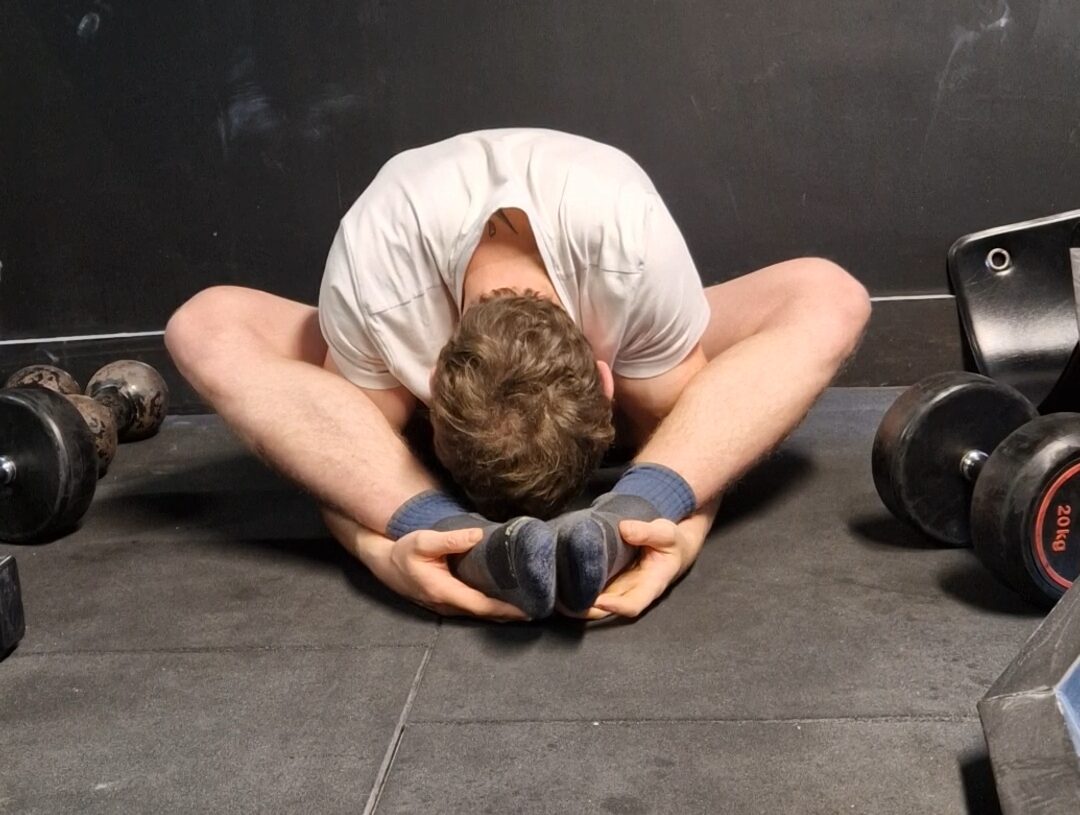
Most of us sit for hours and rarely load the hip in rotation. The muscles that rotate the hip get weak and stiff, and then a long drive, a run or a heavy session tips them over. The fix isn’t just stretching. It’s getting the hip strong through its full range of rotation.
How I work with buttock and piriformis pain
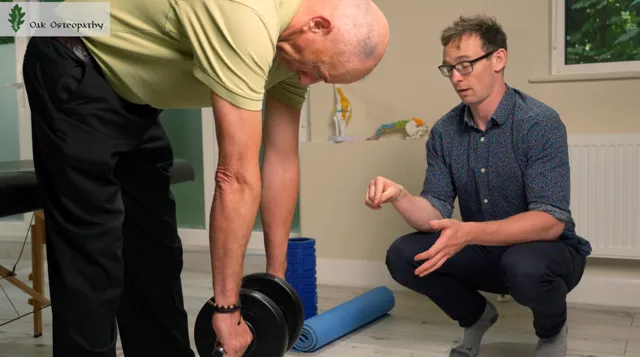
I work this way because it’s how I rebuilt my own back. Years of stretching, massage and adjustments only ever helped for a few weeks. Rebuilding movement and strength is what finally lasted, and it’s what I’ll teach you.
01. Find the real source
A thorough assessment of your back, hip and nerves, so we treat the right thing.
02. Settle the irritation
Positions and movements that ease it, with hands-on treatment only if it genuinely helps.
03. Build hip rotation strength
Internal and external rotation, loaded progressively from small ranges to full ones.
04. Rebuild the back and hips together
Forward bending, arching back, side bending and rotation, so your whole system is strong, not just one muscle.
What the research says
- Exercise helps. A Cochrane review of 249 trials found exercise reduces chronic low back pain, which is often where buttock pain comes from.
- Movement and confidence matter. In the RESTORE trial in The Lancet, helping people move normally again led to large, lasting improvements.
- The honest bit: research on piriformis syndrome itself is limited and diagnosis is debated. That’s exactly why a careful assessment, and a plan that builds the whole hip and back, makes more sense than chasing one muscle.
When to get urgent medical help
Go to your GP or the Emergency Department straight away if you have:
- Numbness around your groin, genitals, buttocks or inner thighs
- New difficulty passing urine, or loss of bladder or bowel control
- Weakness in your leg or foot that is getting worse
- Pain with fever, unexplained weight loss or feeling generally unwell

What happens at your first appointment?
Your first session is a full 60 minutes, in the clinic in Ballintemple or online over Zoom. We talk through your history, assess how you move through bending, arching back, side bending and rotation, and start rebuilding straight away. You leave knowing what’s going on, what to do next, and with exercises that suit where you are right now.
60-minute Initial Consultation: €140
Not in Cork? I work with people all over Ireland and around the world through online coaching.
Piriformis FAQs
Should I keep stretching it?
Stretching can feel good. If the pain keeps coming back, the hip usually needs strength, not just more stretching.
Can I sit with it?
Long sitting often flares it. Change position often and get up every 30 to 45 minutes while we build it up.
Will it go away on its own?
Sometimes, but it often comes back with the next long drive or run. Building strength around the hip is what keeps it away.
Related problems I help with
Ready to sit, drive and train without that ache?
Start with a 60-minute Initial Consultation: €140
⭐ 200+ five-star Google reviews · 📍 Ballintemple, Cork · 🌍 Online worldwide